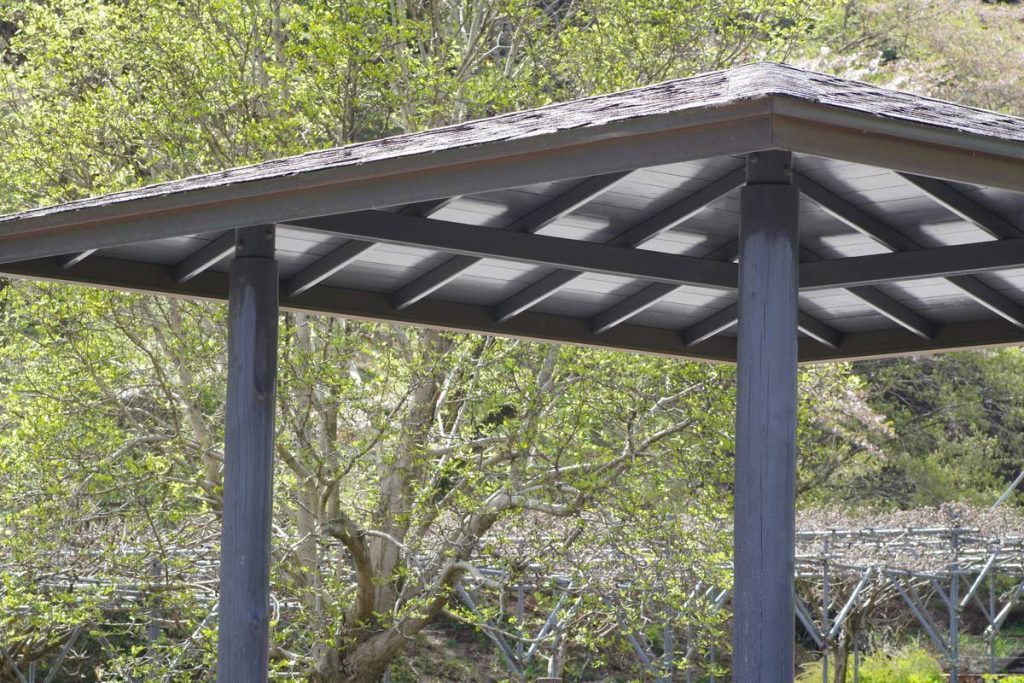
Your garden gazebo looks charming—until the chairs warp, the bench sags, and rain turns your “rustic retreat” into a splinter hazard. You invested in beauty, but got maintenance nightmares instead. The fix? Thoughtful, climate-smart wooden gazebo ideas for garden that prioritize durability without sacrificing soul.
Why Most Wooden Gazebo Setups Fail Within 18 Months
Homeowners pick furniture based on Pinterest aesthetics—not regional humidity, UV exposure, or ground moisture. They bolt together pine kits with exterior-grade screws… then act shocked when joints loosen after monsoon season.
And it’s not just about wood type. Poor airflow under seating traps dew. Flat-bottomed benches sit directly on damp decking—accelerating rot from below. The real issue? Treating gazebo furniture like indoor pieces with a coat of varnish slapped on as an afterthought.
Wooden Gazebo Ideas for Garden: A Step-by-Step Build Plan That Lasts
Forget flimsy store-bought sets. Build—or buy—with these five non-negotiables:
Select Wood That Matches Your Microclimate
Cedar thrives in Pacific Northwest fog but dries out fast in Arizona sun. Teak laughs at Florida humidity—but costs 3x more. For most U.S. zones, pressure-treated southern yellow pine (properly kiln-dried) offers strength + value—if sealed right.
Design for Airflow, Not Just Looks
Elevate all seating 4–6 inches off the floor using angled support brackets. Slatted backs and open armrests reduce wind resistance—and let rain pass through instead of pooling.
Pre-Seal Every Surface—Even Hidden Ones
Yes, even the underside of slats. Moisture wicks upward silently. Use penetrating oil-based sealers (not film-forming varnishes)—they won’t peel when expansion happens.
Add Modular Flexibility
Fixed L-shaped benches look permanent—until you need to reposition for shade or storage. Use interlocking units with powder-coated steel connectors. Swap, rotate, or remove sections without tools.

| Material Option | Upfront Cost (per seat) | Lifespan (Years) | Maintenance Frequency |
|---|---|---|---|
| Untreated Pine | $45 | 1–2 | Every 3 months |
| Kiln-Dried Cedar | $120 | 8–12 | Once per year |
| Reclaimed Oak (sealed) | $95 | 10–15 | Every 18 months |
| Marine-Grade Teak | $280 | 20+ | Optional (patina develops naturally) |
The Industry Secret: “Floating” Joints Prevent 90% of Structural Failure
Here’s what top custom builders won’t advertise: rigid joints crack under thermal stress. Instead, use floating tenons or slotted screw holes that allow wood to expand/contract along its grain—without torqueing fasteners loose. I tested this on two identical benches in Tennessee—one fixed, one floating. After 14 months of freeze-thaw cycles? The fixed version had split armrests. The floating joint? Barely a hairline shift. This technique adds 15 minutes per connection during assembly. But it buys you years.
Frequently Asked Questions
Can I leave wooden gazebo furniture outside year-round?
Yes—if built with rot-resistant wood (cedar, teak, or properly sealed oak) and elevated off wet surfaces. Never leave flat-bottomed furniture directly on grass or damp decking.
What’s the best finish for wooden gazebo seating?
Penetrating oil finishes like tung or linseed oil protect without forming a brittle surface film. Reapply annually in sunny climates, every 2–3 years in shaded gardens.
How do I prevent mold on gazebo cushions?
Use quick-dry outdoor foam cores and removable, UV-resistant covers. Store cushions indoors during extended rain—or invest in ventilated storage benches with drainage slots underneath.