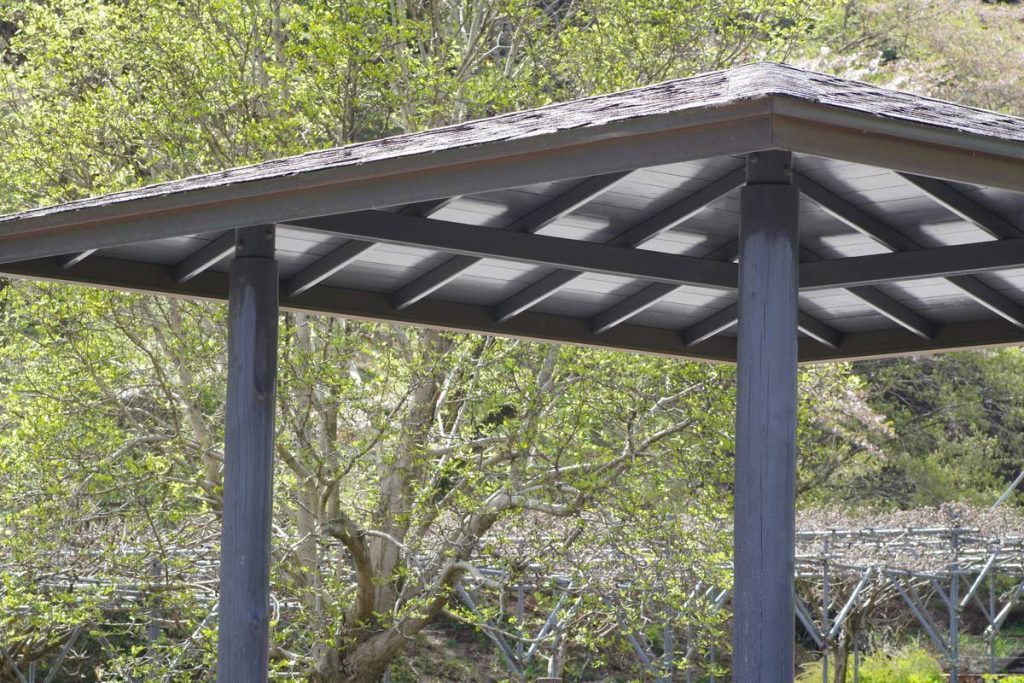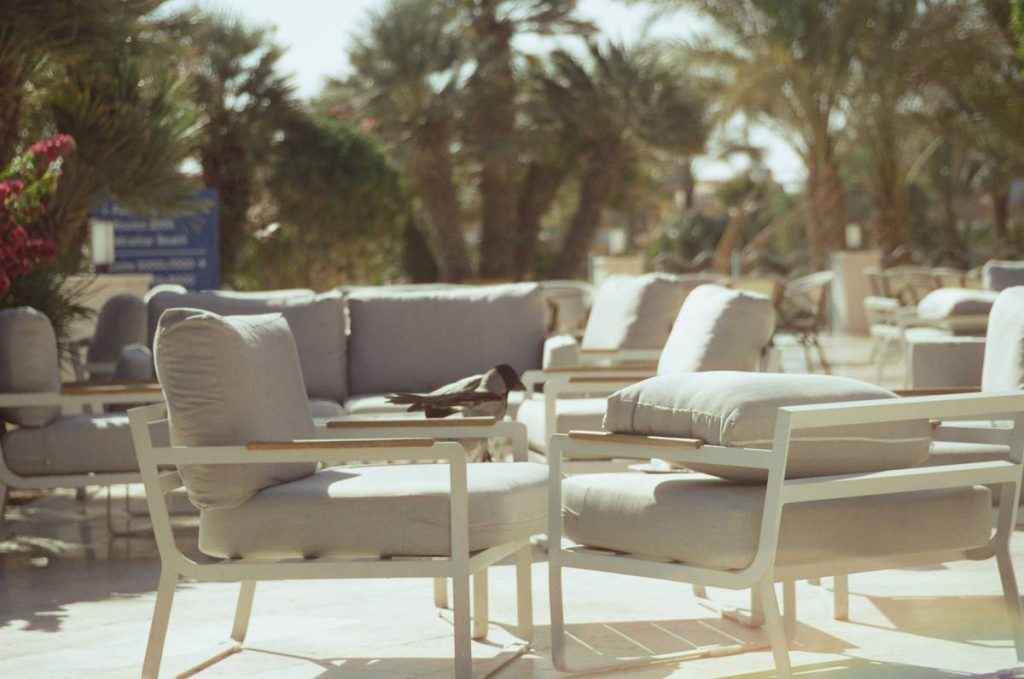
You spent thousands on patio furniture. But by July, it’s faded, wobbly, or crammed into a corner while your family huddles under the lone umbrella. Rain warps cheap resin. Sun cracks plastic. And metal? It scorches in summer, ices over in spring. The real problem isn’t your budget—it’s your approach. A wooden gazebo with seating isn’t just decor. It’s a permanent outdoor room.
Most Gazebos Fail Within Two Years—Here’s Why
Homeowners treat gazebos like lawn ornaments. They bolt together flimsy kits, skip foundations, and choose cedar that hasn’t been kiln-dried. Result? Warped benches, sagging roofs, and mold blooming between slats by year two. And most “gazebo furniture” sold online is just patio sets shoved under cover—never designed for fixed installation.
Think about it: loose chairs tip in wind. Cushions mildew. Without integrated support, weight concentrates on floor joists not meant for constant load. The math is simple—built-in seating changes everything. It distributes weight, eliminates clutter, and ages gracefully with the structure itself.
How to Build a Wooden Gazebo with Seating That Lasts Decades
Forget one-size-fits-all plans. This isn’t assembly—it’s craftsmanship. Start with species selection, then anchor properly, then integrate ergonomics. Cut corners here, and you’re rebuilding by 2027.
Wood Type Dictates Lifespan (Not Price)
Douglas fir looks cheap but rots fast if not maintained. Pressure-treated pine resists decay but warps unpredictably. Go with white oak or black locust—they cost more upfront but outlive two generations of homeowners. And always insist on kiln-dried timber. Green wood = guaranteed cracks.
Anchoring Isn’t Optional—It’s Structural
Pour footings below frost line—even in zone 8. Use post anchors embedded in concrete, not surface mounts. A 10×10 gazebo exerts over 2,000 lbs of lateral force in 40mph gusts. Skip this, and your “permanent” retreat becomes a projectile.
Seating Must Be Framed—Not Placed
Built-in benches should share load-bearing walls. Their frames tie directly into floor joists. Seat depth? 18 inches. Backrest angle? 105 degrees—not vertical. Add removable slats for drainage. One pro trick: slope seat surfaces 1/8 inch per foot outward so rain runs off, not pools.

| Approach | Upfront Cost | Expected Lifespan | Maintenance Frequency |
|---|---|---|---|
| Pre-fab Gazebo + Patio Set | $1,200–$2,500 | 2–4 years | Quarterly (cleaning, tightening, cushion replacement) |
| DIY from Lumber Yard Plans | $3,000–$5,000 | 8–12 years | Biannual (sealing, checking fasteners) |
| Custom-Built Wooden Gazebo with Integrated Seating | $8,000–$15,000 | 25+ years | Annual oiling + occasional re-leveling |
The Industry Secret: Seating Determines Gazebo Placement
Contractors decide location based on sun exposure or views. Wrong. Place your wooden gazebo with seating where morning light hits the backrest—not the seats. Why? Because no one sits facing direct sunrise; it blinds you. You naturally orient away. So position the open side east-west, with benches along north-south walls. That way, occupants get dappled light, not glare. I’ve seen $20k builds ruined because the architect ignored human behavior. Also—run conduit under bench frames during framing. Future-proof for lighting, speakers, or USB ports. Nobody thinks of it until it’s too late.
Frequently Asked Questions
Can I add built-in seating to an existing gazebo?
Yes—but only if the floor joists are rated for live loads of 60+ lbs/sq ft. Most prefab gazebos aren’t. Reinforcement often costs more than rebuilding correctly.
What’s the best wood for humid climates?
Black locust or ipe. Both resist rot without chemical treatment. Avoid redwood—it softens in high moisture despite its reputation.
Do I need a permit for a gazebo with seating?
If it’s over 120 sq ft or includes electrical work, yes. Permanent seating classifies it as a habitable structure in many municipalities.