Your gazebo should be a sanctuary—not a graveyard for soggy cushions and rusted frames. Yet most outdoor gazebo chairs look great in showroom photos and crumble within one season. Rain warps wood, UV rays bleach fabric, and cheap metal joints seize up by August. The solution? Stop buying “outdoor” furniture that’s just indoor furniture wearing sunscreen.
Why Most Outdoor Gazebo Chairs Fail Within a Year
Manufacturers cut corners where you can’t see. Hidden fasteners rust. Foam cores absorb moisture like sponges. Even teak—often hailed as bulletproof—can split if kiln-dried improperly. And don’t get me started on those all-weather wicker sets that unravel after two hailstorms.
Here’s the reality: durability isn’t just about material—it’s about how components interact under stress. A chair might survive dry heat but buckle under humidity swings. Or look pristine until you try to move it—and the legs snap at the weld.
How to Choose & Maintain Gazebo Seating That Lasts
Forget aesthetics first. Build your decision around climate resilience, then layer in comfort and design. The math is simple: spend 20% more upfront, skip replacement costs for five years.
Material Breakdown: What Holds Up Where
Coastal air? High humidity? Freezing winters? Your zip code dictates everything. Powder-coated aluminum laughs at salt spray. HDPE resin won’t crack at -20°F. But untreated wrought iron? Dead on arrival near any ocean.
The Maintenance Gap Most Homeowners Ignore
You wouldn’t leave your car outside uncovered for years—so why your gazebo chairs? A quick quarterly rinse with mild soap prevents mineral buildup. Store cushions vertically, not stacked flat—they trap water between layers. And never power-wash woven fibers; it frays the strands instantly.
| Material Type | Lifespan (Avg.) | Best Climate Match | Maintenance Level | Cost Tier |
|---|---|---|---|---|
| Powder-Coated Aluminum | 10–15 years | Coastal, Humid, Urban | Low | $$ |
| HDPE Resin (All-Weather Wicker) | 8–12 years | Hot, Dry, Variable | Low-Medium | $$$ |
| Kiln-Dried Teak (Grade A) | 15+ years | Tropical, Temperate | Medium | $$$$ |
| Wrought Iron (Uncoated) | 2–4 years | Arid Only | High | $ |
| Recycled Plastic Lumber | 7–10 years | All (except extreme snow load) | Very Low | $$ |
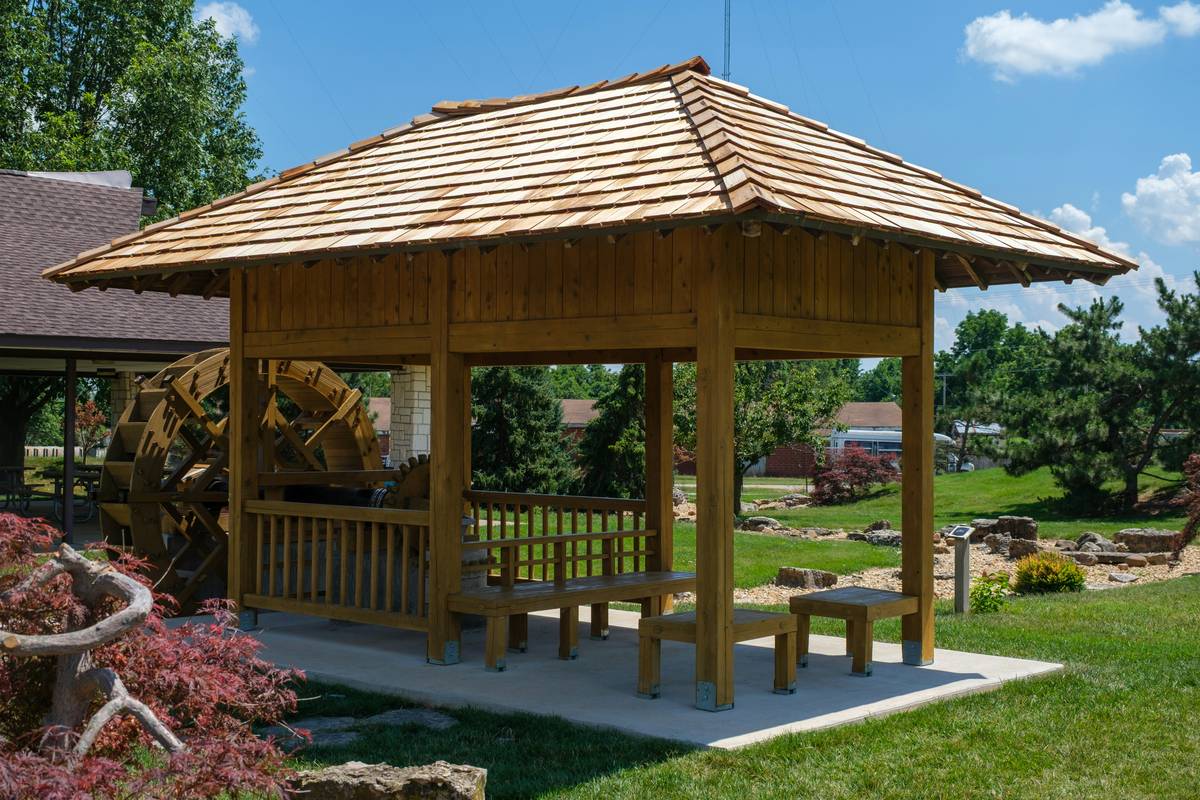
The Industry Secret: It’s All in the Hardware
Nobody talks about this—but the weakest link isn’t the frame or fabric. It’s the fasteners. Many brands use standard steel bolts hidden inside armrests or leg joints. They corrode silently, then fail catastrophically when you lean back. Premium makers use marine-grade stainless steel (316, not 304) or nylon-insert locking hardware. Check product specs for “salt-spray tested” or “ASTM B117 compliant.” If it’s not listed? Assume it’s junk.
And here’s a pro tip: tilt any chair sideways before buying. Look for drainage channels in the seat pan. Standing water = mold + rot, even in plastic.
Frequently Asked Questions
Can I leave outdoor gazebo chairs out all winter?
Only if they’re made of non-porous materials like HDPE or aluminum. Wood and wicker need covered storage. Even “all-season” labels lie.
What’s the best cushion fabric for sun exposure?
Solution-dyed acrylic (like Sunbrella). Regular polyester fades in 6 months. Acrylic fibers are dyed before weaving—so color runs deep, not surface-deep.
Do heavier chairs mean better quality?
Not necessarily. Lightweight aluminum with reinforced joints beats dense, cheap cast iron every time. Weight ≠ durability. Engineering does.