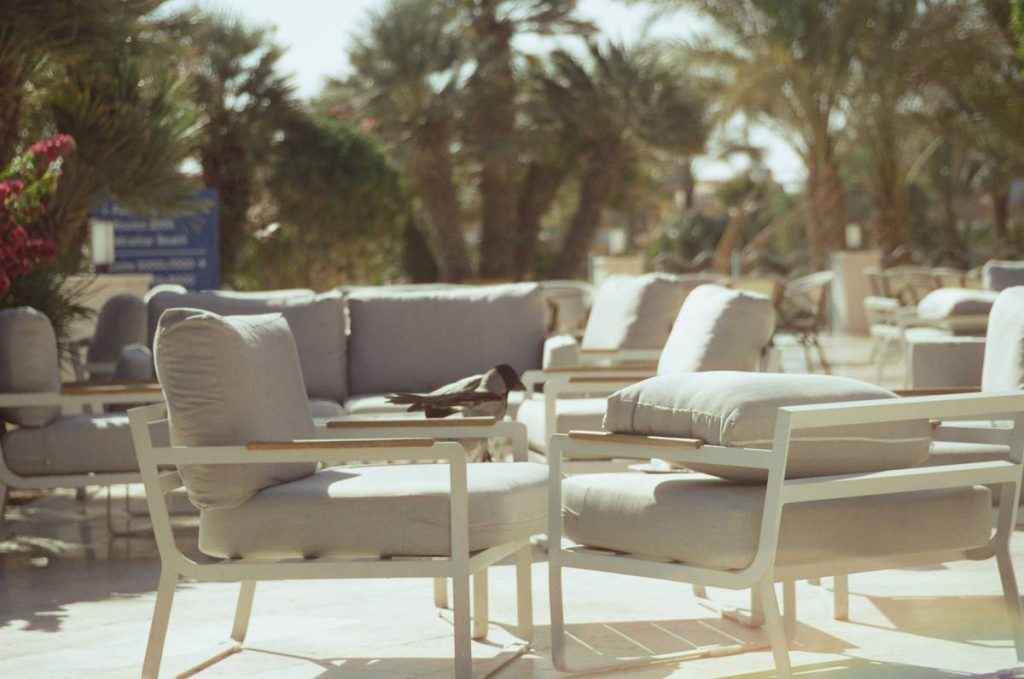
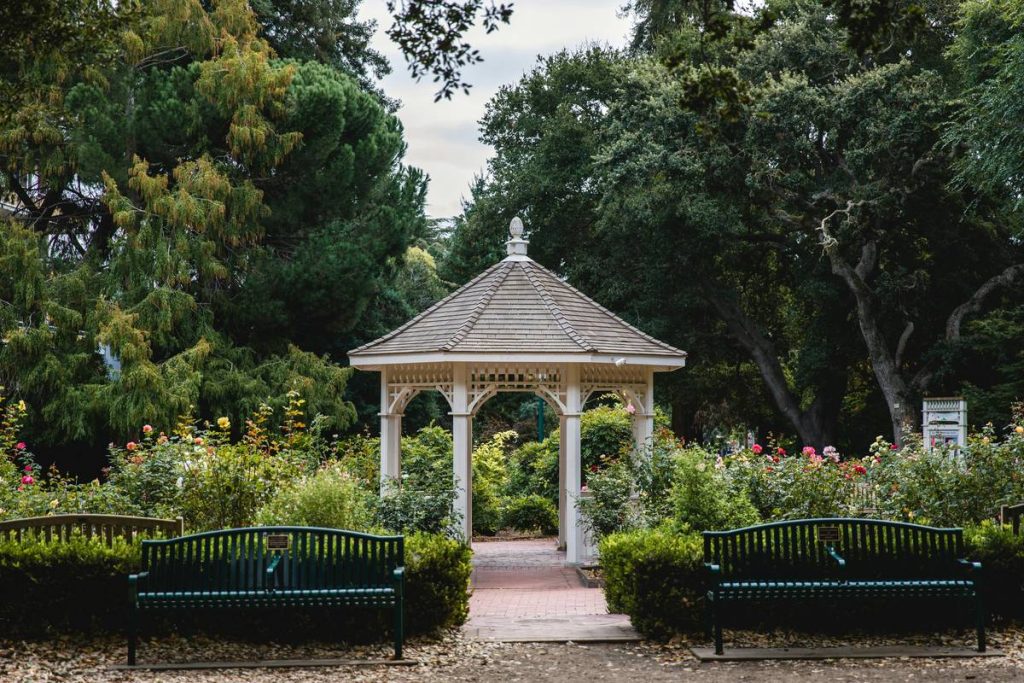
You bought “weatherproof” outdoor furniture gazebo metal because it looked sleek and promised durability. Six months later, rust creeps up the legs. By year two, bolts seize, cushions mildew, and what felt like a luxury now feels like a liability. Here’s how to choose—and maintain—metal gazebo seating that actually lasts.
Why “All-Weather” Metal Gazebo Furniture Fails So Often
Manufacturers love slapping “powder-coated” or “rust-resistant” on cheap aluminum or thin-gauge steel. But coastal humidity, acidic rain, or even backyard sprinklers expose weak finishes fast. And most buyers never consider galvanic corrosion—when dissimilar metals (like stainless hardware on carbon steel frames) react in moisture-rich environments. The result? Premature decay disguised as normal wear.
Think about it: your gazebo isn’t just exposed—it’s trapped. Enclosed on three sides, airflow drops. Moisture lingers. Heat builds. Metal expands, contracts, and fatigues. Standard patio-grade pieces weren’t engineered for this microclimate.
How to Choose & Maintain Outdoor Furniture Gazebo Metal That Endures
The fix isn’t avoiding metal—it’s selecting the right alloy, finish, and design for your specific conditions. Follow this protocol:
1. Match the Metal to Your Climate Zone
Coastal? Go marine-grade aluminum (6063-T5) or powder-coated wrought iron with zinc-rich primer. Inland dry zones? Powder-coated steel works—if thickness exceeds 1.5mm. Avoid cast aluminum in high-wind areas; it’s brittle.
2. Demand Full-Frame Coating (Not Just Surface Spray)
True protection happens during manufacturing—not at the retail warehouse. Electrostatic powder coating must cover weld points, screw holes, and undersides. Ask for ASTM D3359 adhesion test reports. If they can’t provide one, walk away.
3. Prioritize Drainage Over Aesthetics
Cushion-less sling seats outperform plush options in humid gazebos. If you insist on cushions, use open-cell foam with mesh bottoms—never solid cores. Water must escape within minutes, not days.
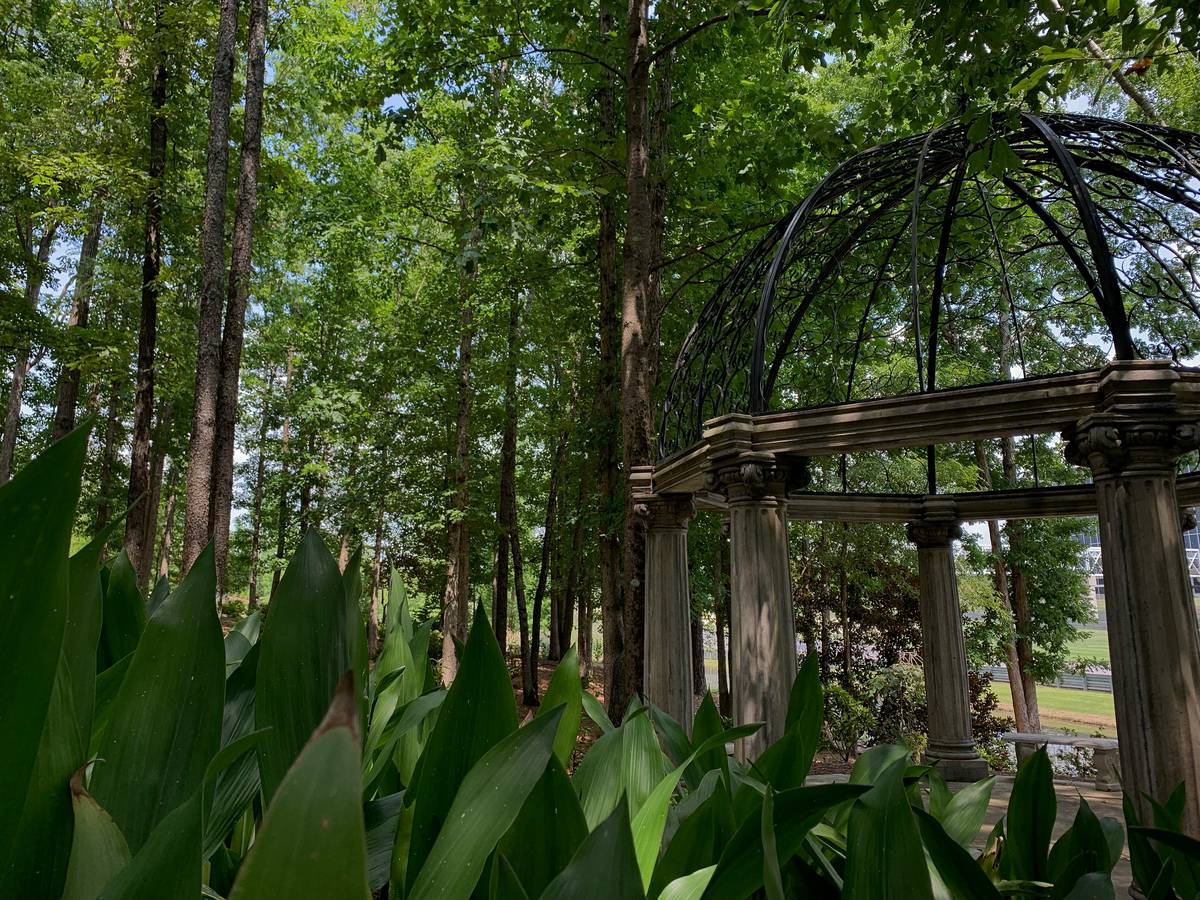
| Metal Type | Avg. Lifespan in Gazebo (Years) | Upfront Cost vs. Wood | Maintenance Frequency |
|---|---|---|---|
| Marine-Grade Aluminum | 12–18 | +40% | Biannual rinse + annual wax |
| Zinc-Primed Wrought Iron | 8–12 | +25% | Quarterly touch-up + seasonal oiling |
| Standard Powder-Coated Steel | 3–5 | -10% | Monthly inspection for rust spots |
| Cast Aluminum (Decorative) | 5–7 | +15% | Biannual tightening of joints |
4. Assemble It Right—Or It Won’t Matter
Even premium outdoor furniture gazebo metal fails if assembled with stainless screws into untreated steel inserts. Use dielectric grease on all threaded connections. And never let metal legs sit directly on concrete—use rubberized leveling feet to break capillary moisture wicking.
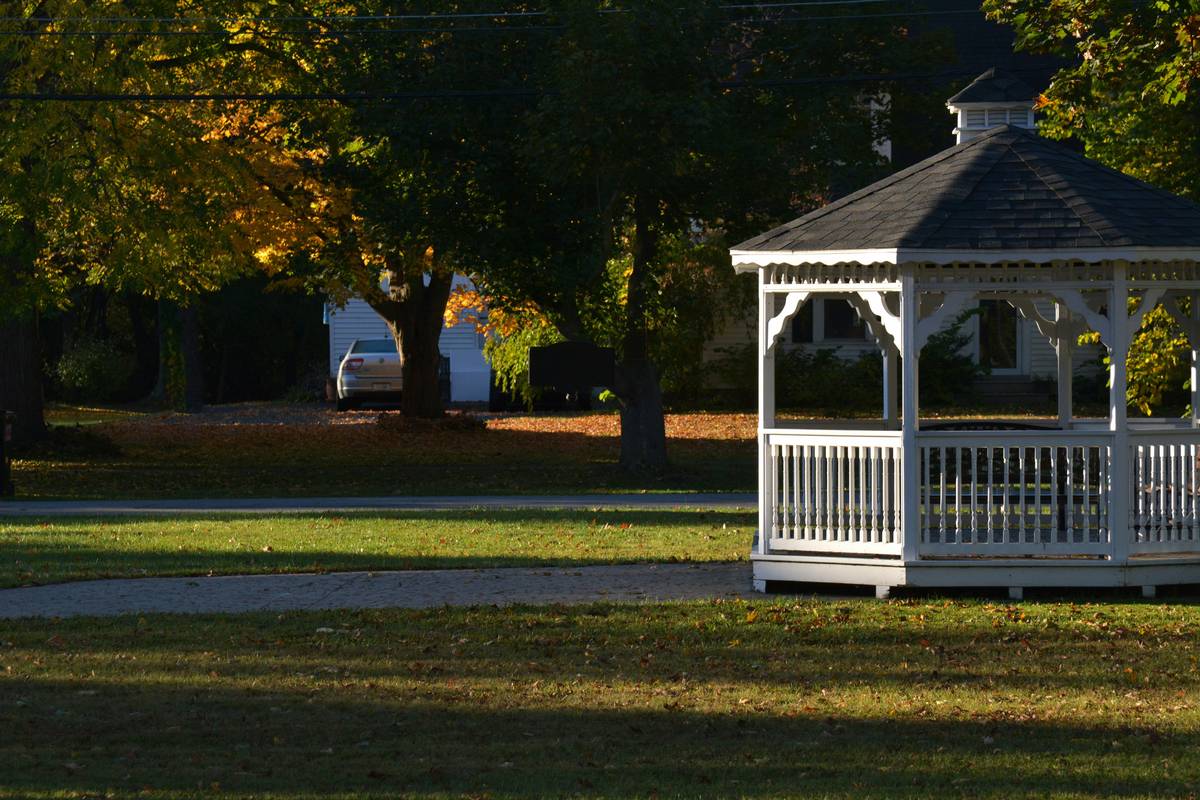
The Industry Secret: Seasonal Disassembly Isn’t Optional—It’s Insurance
Here’s what top landscape architects do but rarely tell clients: take apart key components every fall. Remove chair arms. Lift bench slats. Store hardware in labeled Ziplocs with silica gel. Why? Because 90% of structural failure starts in hidden joints where water collects unseen. A 20-minute autumn ritual extends life by 5+ years. The math is simple: $200 in labor today avoids $2,500 in replacement tomorrow.
And yes—it’s tedious. But so is watching your investment corrode from the inside out while you wait for “all-season” promises to deliver.
Frequently Asked Questions
Is metal gazebo furniture hotter than wood or resin?
Yes—significantly. In direct sun, metal surfaces can hit 140°F+. Always pair with UV-resistant seat pads or opt for perforated designs that minimize surface contact.
Can I leave outdoor furniture gazebo metal outside year-round?
Technically yes—if you live in a dry climate and perform quarterly maintenance. In freeze-thaw or high-humidity zones, winter storage prevents micro-cracking in coatings.
What’s the best way to remove rust from gazebo seating?
Light rust: scrub with naval jelly, then apply cold galvanizing spray. Heavy corrosion? Replace the part. Patching compromised structural metal invites catastrophic failure.