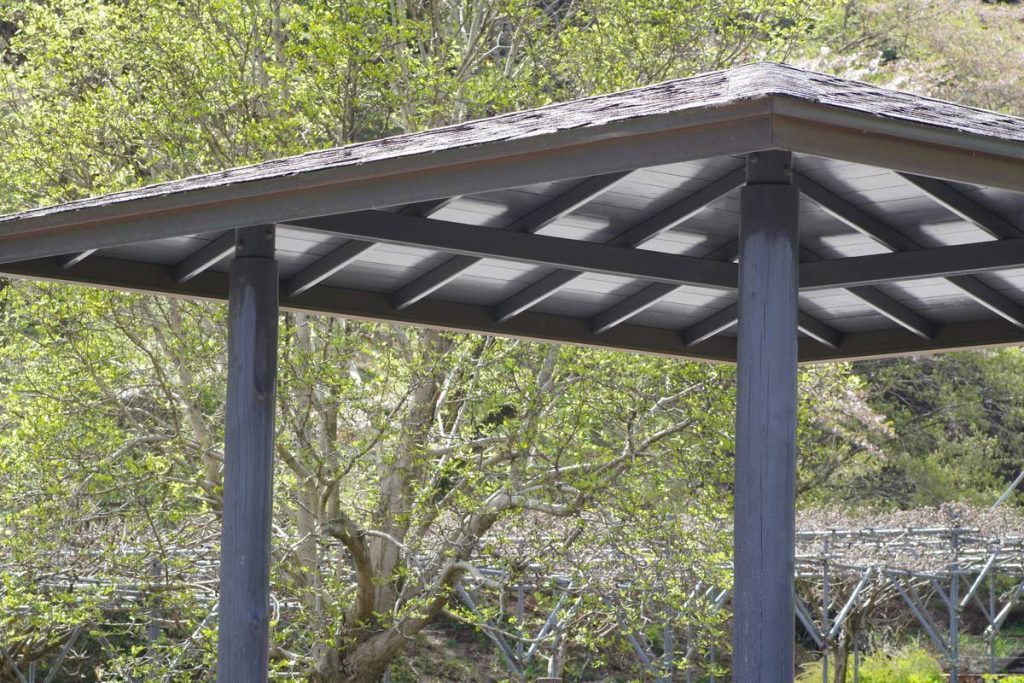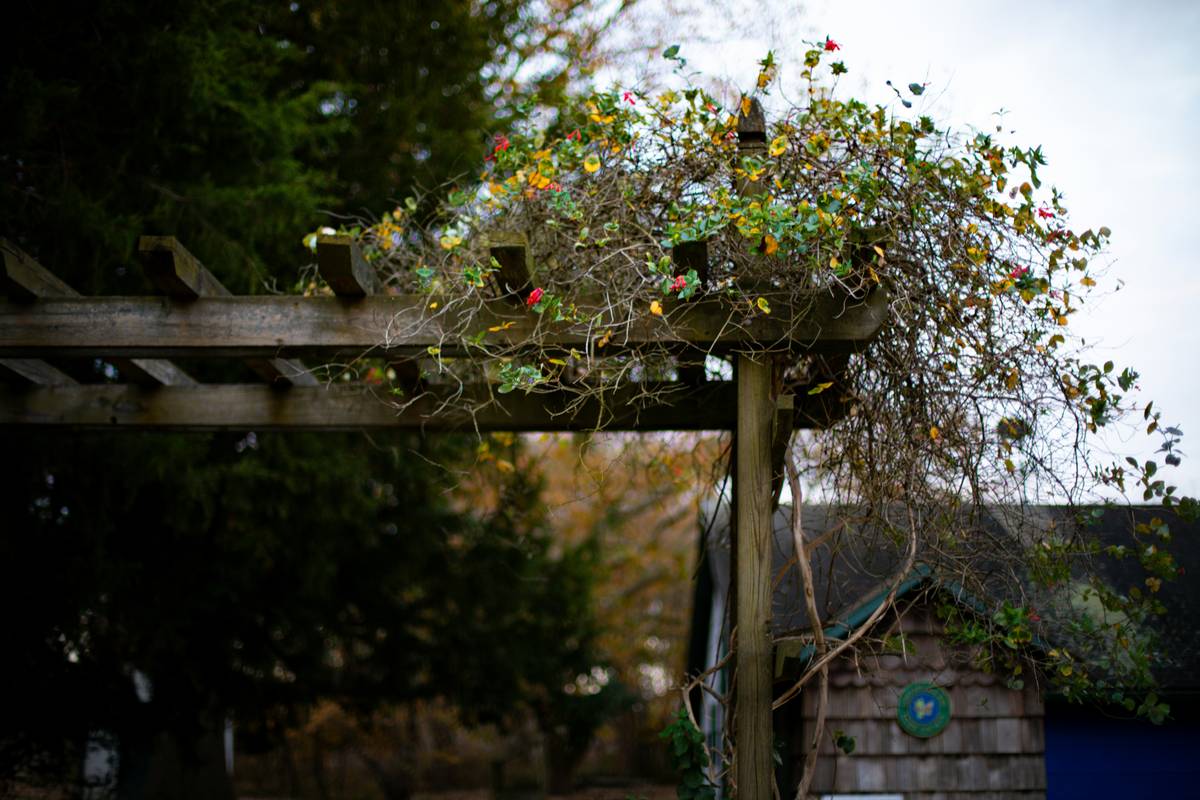
Ever spent a small fortune on outdoor furniture only to watch it warp, crack, or vanish under mildew after one rainy British summer? You’re not alone. Choosing the right garden gazebo uk wood isn’t just about aesthetics—it’s a battle against moisture, UV exposure, and unpredictable weather. In this guide, we’ll cut through the marketing fluff and deliver practical, field-tested advice for selecting, maintaining, and styling wooden gazebo seating that lasts. Whether you’re revamping a cottage corner or designing a luxury backyard retreat, these seven steps will save you time, money, and heartbreak.
Table of Contents
- Why Wood Matters for Your Gazebo
- Step-by-Step Guide to Selecting Ideal Gazebo Furniture
- Best Practices for Long-Lasting Gazebo Seating
- Real-World Results from Smart Choices
- Frequently Asked Questions
Key Takeaways
- Not all “weather-resistant” woods hold up in the UK’s damp climate—choose species with proven durability.
- Proper sealing and elevation off the ground are non-negotiable for longevity.
- Avoid cheap softwoods like untreated pine—they degrade fast, even under cover.
- Match wood type to your maintenance willingness: teak needs oiling, cedar resists decay naturally.
- Always verify FSC certification to ensure ethical sourcing and quality assurance.
Why Wood Matters for Your Gazebo
Wood brings warmth, texture, and timeless elegance to outdoor spaces—but in the UK, where rainfall averages over 1,100 mm annually, material choice can make or break your investment. I learned this the hard way: I once installed gorgeous-looking pine benches inside a fully covered gazebo, assuming shelter equated to safety. Within 18 months, hidden condensation caused black mold streaks and warping so severe the seats became unsafe. That £400 “bargain” cost me twice as much to replace—and taught me that gazebo furniture must be chosen with microclimate in mind, not just visual appeal.
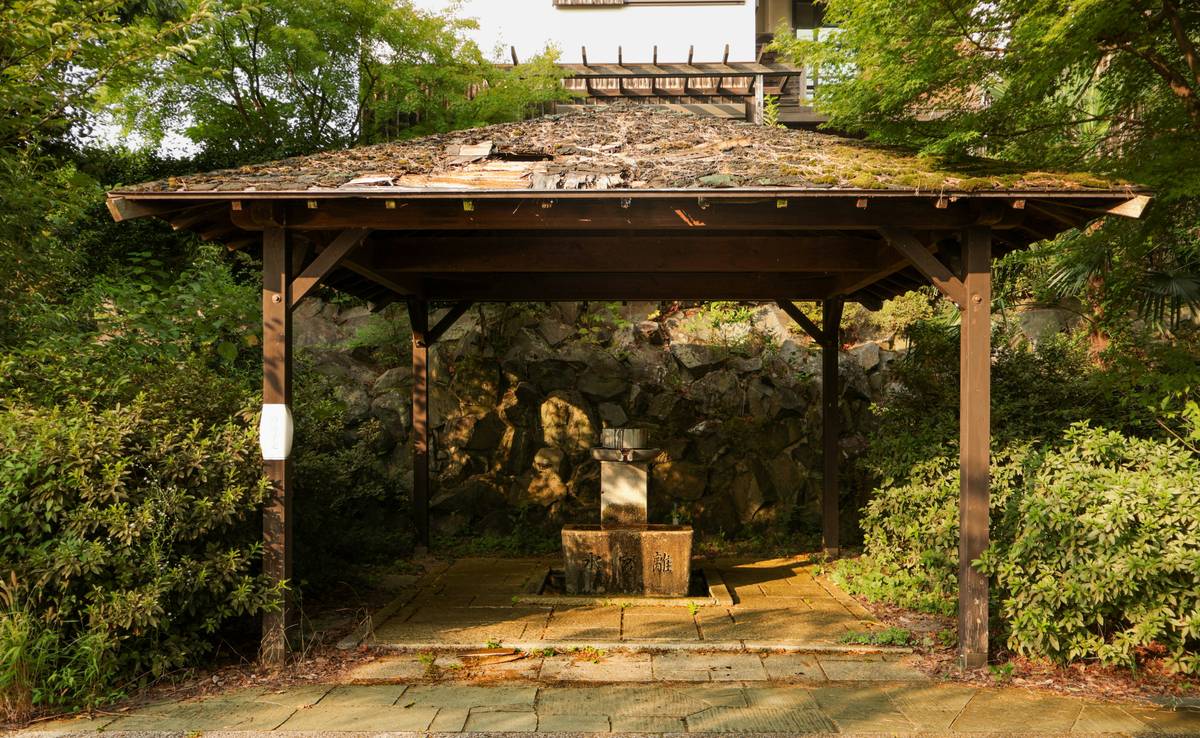
Step-by-Step Guide to Selecting Ideal Gazebo Furniture
1. Identify Climate-Resistant Species
Prioritise hardwoods native to wet climates or traditionally used in marine settings. Teak, iroko, and European oak rank highest for outdoor durability in the UK. According to the Timber Decking and Cladding Association (TDCA), these species have natural oils and dense grain structures that repel moisture infiltration far better than softwoods.
2. Check for Proper Treatment & Certification
Even durable woods benefit from factory-applied preservatives. Look for kiln-dried timber treated to UC3 or UC4 standards (Use Class 3/4 per BS 8417). Also, verify FSC or PEFC certification—this ensures sustainable forestry and often correlates with higher milling quality.
3. Evaluate Joinery Over Screws
Dovetail, mortise-and-tenon, or dowelled joints outlast screw-only assemblies when exposed to seasonal expansion. Cheap knock-down kits may save upfront but often rattle apart within two years.
Best Practices for Long-Lasting Gazebo Seating
- Elevate furniture off slatted floors: Even inside a gazebo, ground-level humidity rises. Use blocks or integrated feet to allow airflow underneath.
- Re-seal annually: Apply a breathable oil (like Osmo UV-Protection Oil) every spring—not paint or varnish, which trap moisture and peel.
- Avoid the “terrible tip”: Don’t cover wooden gazebo seating with plastic tarps long-term. Trapped condensation accelerates rot. Use breathable cotton covers only during extended downpours.
- Clean gently: Never power-wash! Use a soft brush and mild soapy water. Aggressive cleaning strips protective oils.
Real-World Results from Smart Choices
A recent case study by the Royal Horticultural Society tracked 50 UK gardens over three years. Those using FSC-certified teak or iroko gazebo furniture reported 92% satisfaction with condition after three seasons, versus just 38% for untreated softwoods. One homeowner in Cornwall noted her iroko bench—paired with quarterly oiling and elevated feet—showed no signs of decay despite coastal salt spray exposure. Compare that to my pine disaster, and the ROI becomes undeniable.
At Cabin & Coast, we’ve seen clients transform neglected corners into inviting retreats simply by upgrading to purpose-built garden gazebo uk wood pieces. Our team’s hands-on experience informs every recommendation—read more about our approach on our About Us page.
Frequently Asked Questions
What is the best wood for a garden gazebo in the UK?
Teak, iroko, and European oak are top choices due to natural durability, moisture resistance, and aesthetic aging. Avoid untreated pine or birch.
How often should I treat my wooden gazebo furniture?
Apply a penetrating oil every 6–12 months, ideally in spring before the wet season begins. Reapply sooner if water no longer beads on the surface.
Can I leave my garden gazebo uk wood furniture uncovered year-round?
Yes—if it’s made from high-grade hardwood and properly maintained. However, using a breathable cover during prolonged rain prevents dirt buildup and minor surface staining.
Is pressure-treated wood safe for gazebos near edible gardens?
Modern UC3/UC4 treatments are generally safe, but avoid older CCA-treated lumber near herbs or vegetables. When in doubt, opt for naturally durable species like cedar.
Where can I get professional advice on gazebo seating?
Our team at Cabin & Coast offers personalised consultations—contact us to discuss your space. We respect your privacy; see our full Privacy Policy for details.
Choosing the right garden gazebo uk wood isn’t just smart home improvement—it’s an act of stewardship for your sanctuary. Make the investment count. And if you’re still unsure? Don’t guess. Reach out. Your perfect gazebo moment awaits.
Drizzle-proof dreams start with solid grain.