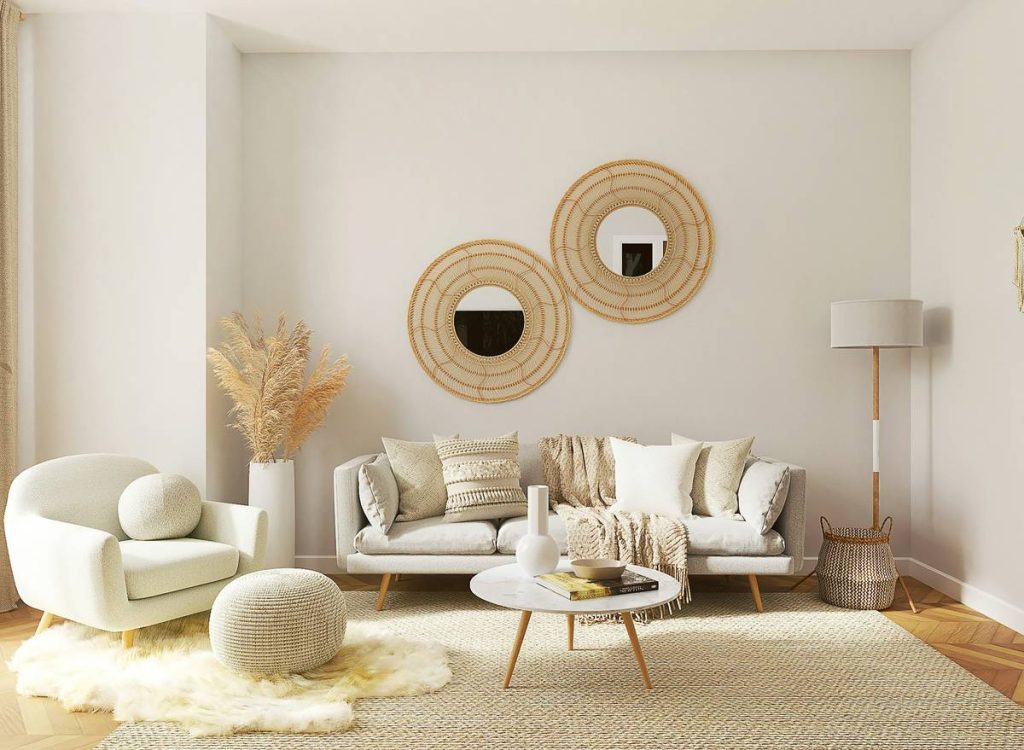
Your gazebo should be a sanctuary—not a storage shed for weather-worn chairs and wobbly tables. Yet most homeowners invest in flimsy “outdoor” sets that fade, crack, or rust by season two. The result? A beautiful structure cluttered with eyesores that scream neglect. Here’s the fix: strategic, durable, and thoughtfully designed outdoor gazebo furniture that actually enhances your space—without constant replacement.
Why Most Gazebo Furniture Fails Within 18 Months
Big-box retailers sell “all-weather” sets with polyester cushions that mildew after one damp summer. Aluminum frames bend. Plastic tables bleach under UV rays. And teak? It’s gorgeous—if you’re willing to oil it monthly or watch it turn silvery-gray. Most people don’t realize gazebo furniture faces unique stressors: indirect rain splash, trapped humidity, and shade-induced mold growth. Standard patio pieces aren’t engineered for this microclimate. They’re built for open exposure—not the semi-enclosed, moisture-prone reality of gazebos.
And that’s before you consider scale. A dining set perfect for a deck overwhelms a compact octagonal gazebo. Proportion matters as much as material.
Step-by-Step Guide to Selecting & Arranging Outdoor Gazebo Furniture
Measure Twice, Buy Once
Start with clear dimensions. Subtract 24 inches from each wall to allow walking clearance. Your total furniture footprint should occupy no more than 60% of floor area. Anything more feels cramped.
Prioritize Modular, Lightweight Frames
You’ll move pieces for cleaning, storms, or seasonal swaps. Heavy wrought iron? Forget it. Go with powder-coated aluminum or sustainably sourced eucalyptus—light enough to shift solo but stable in breeze.
Cushions: Skip Foam, Embrace Quick-Dry Mesh
Standard foam absorbs moisture like a sponge. Instead, choose cushions with open-cell reticulated foam or woven sling fabric. They drain instantly and resist mildew—critical in shaded, humid zones.
Table Choice Dictates Function
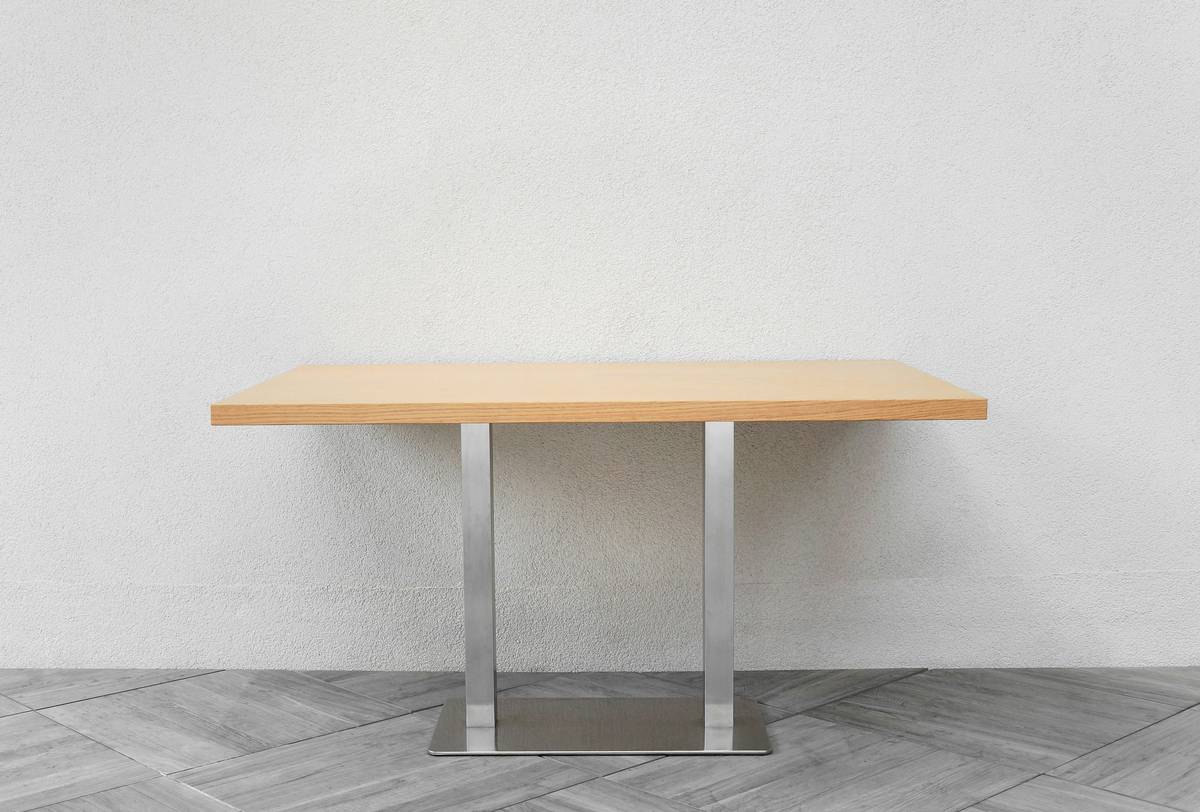
Want coffee mornings? A 30-inch round bistro table fits two. Hosting dinner parties? Opt for an extendable oval that tucks neatly when not in use. Avoid glass tops—they trap heat and show every fingerprint.
| Material Type | UV Resistance | Mold/Mildew Risk | Avg. Lifespan (Gazebo Use) | Price Range |
|---|---|---|---|---|
| Powder-Coated Aluminum | Excellent | Very Low | 8–12 years | $$ |
| Sustainably Harvested Teak | Good (with finish) | Low (if oiled) | 15+ years | $$$ |
| Plastic/Resin Wicker | Fair (fades over time) | Moderate | 3–5 years | $ |
| Wrought Iron | Poor (rusts in humidity) | High | 2–4 years | $$ |
The Industry Secret: “Dry Ventilation” Beats Waterproofing
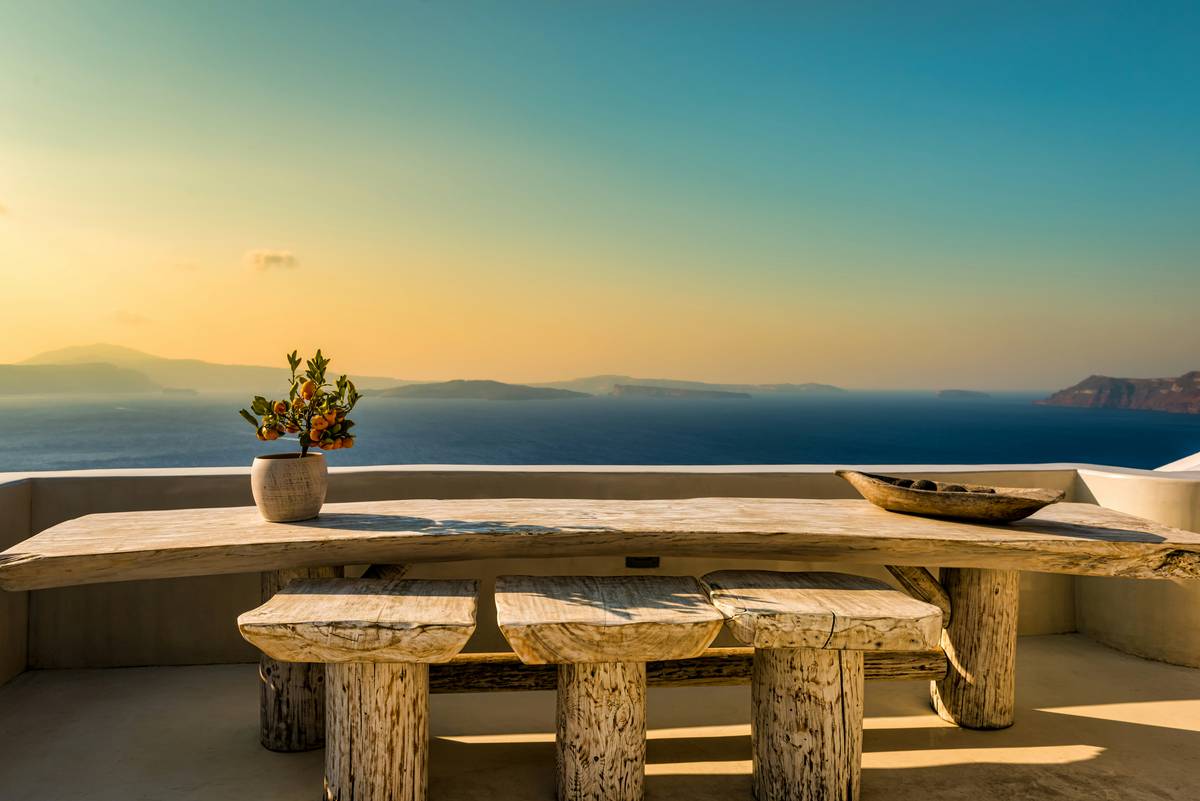
Here’s what manufacturers won’t tell you: sealing your gazebo furniture against moisture often backfires. Trapped condensation breeds mold faster than occasional rain. The real pro move? Design for airflow. Choose slatted bench seats over solid planks. Select tables with drainage holes—even if they’re subtle. Leave gaps between cushion backs and frame rails. This “dry ventilation” principle mimics how high-end yachts manage humidity below deck. It’s not about repelling water—it’s about letting air circulate so surfaces dry within minutes, not days. I’ve seen clients double their furniture lifespan simply by swapping solid cushions for breathable backrests. The math is simple: airflow = longevity.
Frequently Asked Questions
Can I leave outdoor gazebo furniture out all year?
Yes—if it’s made from marine-grade aluminum or properly sealed hardwood. But always remove cushions during extended rainy periods, even under cover.
What’s the best table shape for a small gazebo?
Round or square tables under 36 inches maximize legroom and prevent corner bumps in tight spaces. Avoid rectangular unless your gazebo is over 10×10 feet.
Do I need special rugs under gazebo furniture?
Only if your floor is concrete or composite. Use perforated outdoor rugs that allow drainage—never solid-backed indoor styles. They trap moisture and stain wood decks.