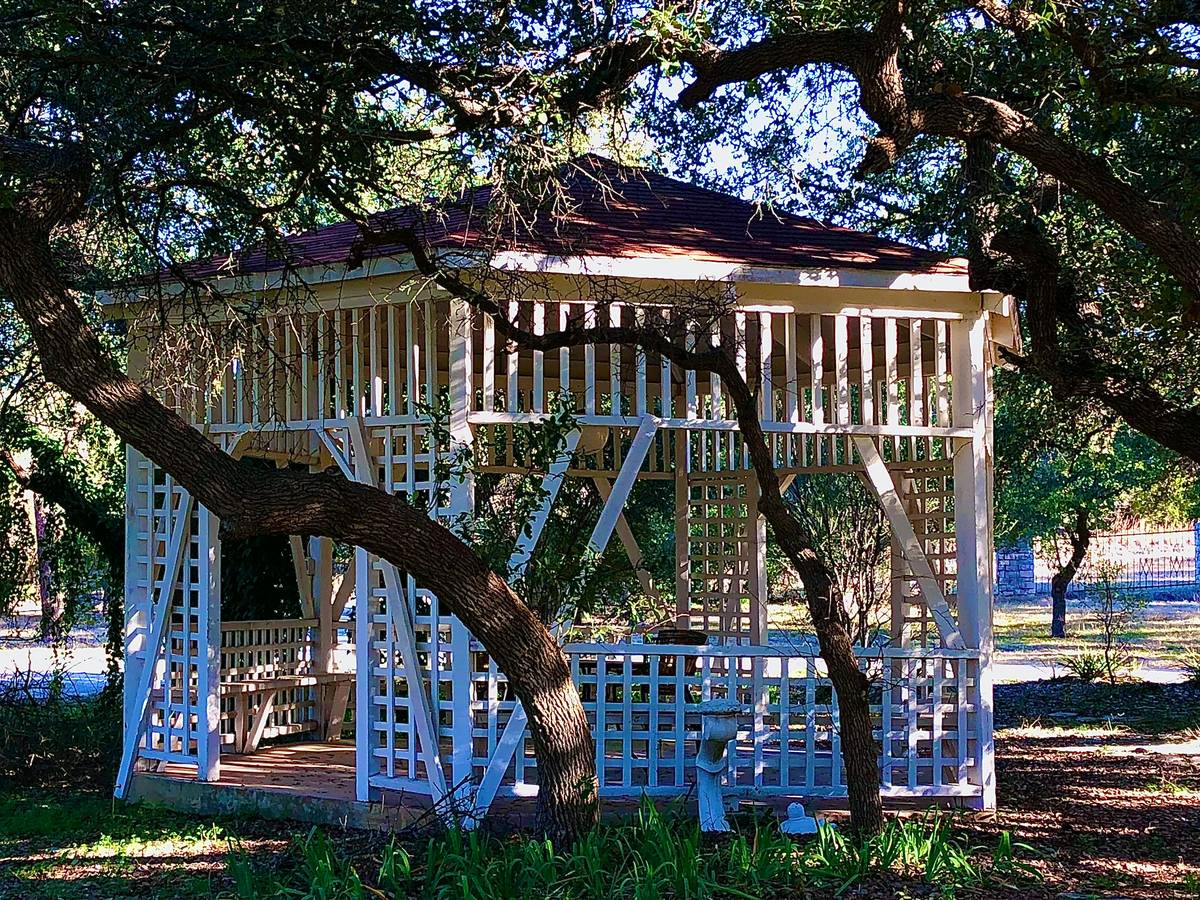
Your gazebo sits empty. Again. You spent thousands on structure, shade, even string lights—but the moment guests arrive, everyone migrates to the patio or kitchen island. Why? Because your backyard gazebo furniture is an afterthought. Mismatched chairs. A wobbly side table. Zero cohesion. It’s not inviting—it’s incidental. The fix isn’t more decor. It’s strategic, intentional furniture designed for how you actually use the space.
Why Most Gazebo Setups Fail (Hint: It’s Not the Weather)
People assume durability is the main hurdle. Wrong. Rain and UV matter—but layout kills more gazebos than rot ever will. You cram in a dining set meant for a suburban backyard, ignoring scale, traffic flow, and human behavior. Guests feel boxed in. Conversation dies. Kids scatter toys everywhere because there’s no dedicated storage surface. And that “rustic” wood table? It warps by August, leaving sticky rings and splinters.
Here’s the reality: gazebo furniture isn’t just smaller outdoor furniture. It’s a micro-ecosystem that demands balance between function, form, and flexibility. Ignore that—and you’ve built a fancy shed with seating.
Choosing & Arranging Backyard Gazebo Furniture That Actually Gets Used
Step 1: Audit Your Gazebo’s True Purpose
Be brutally honest. Is it a dinner party hub? A solo reading nook? A kid-safe play zone? Don’t design for aspirational use—design for what happens 80% of the time. A 10×10 gazebo used mainly for morning coffee needs a bistro set, not a six-top.
Step 2: Prioritize Proportions Over Pieces
Measure your footprint. Then subtract 24 inches from all sides—that’s your usable furniture zone. Too many buyers max out square footage, forgetting circulation space. Result? Claustrophobia. A good rule: total furniture footprint should never exceed 60% of floor area.
Step 3: Match Materials to Microclimate—Not Aesthetics Alone
Your gazebo might have partial cover, but humidity lingers. Teak ages beautifully but costs a fortune. All-weather wicker? Only if it’s resin-based—natural rattan mildews fast in shaded dampness. Aluminum frames with powder coating? Lightweight and rust-proof, but can feel flimsy if gauge is under 1.2mm.
| Furniture Type | Ideal Gazebo Size | Material Recommendation | Avg. Cost Range | Mobility Factor |
|---|---|---|---|---|
| Bistro Set (2-seater) | 6’x6′ – 8’x8′ | Aluminum + tempered glass | $150 – $400 | High (lightweight) |
| Modular Sectional | 10’x10’+ | Resin wicker + Sunbrella fabric | $800 – $2,200 | Medium (modular pieces) |
| Extendable Dining Set | 12’x12’+ | Teak or eucalyptus wood | $1,200 – $3,500 | Low (heavy, fixed) |
| Multi-Functional Bench w/ Storage | All sizes | Powder-coated steel + slatted teak lid | $300 – $700 | Medium (anchored but compact) |
Step 4: Anchor With One Hero Piece—Then Build Around It
Pick a center point. Usually, it’s the table. But not always. In a lounge-focused gazebo, a deep-seat loveseat becomes the anchor. Everything else—side tables, ottomans, floor cushions—fans out from there. This avoids the “furniture soup” effect where nothing feels intentional.

The Industry Secret: Furniture Should Disappear When Not in Use
Top designers don’t just select pieces—they engineer adaptability. The real pro move? Furniture that tucks, stacks, or folds into invisibility. Think nesting side tables that slide under benches. Benches with hollow bases for toy or blanket storage. Or dining chairs that hook onto the table’s underside when flipped. Why? Because a cluttered gazebo feels like work—not escape. Most homeowners buy permanent setups, then resent the visual noise during off-seasons. Smart systems stay ready but recede. Cabin-and-Coast’s modular line uses quick-release brackets so you can reconfigure seating in under three minutes—no tools. That’s the difference between a seasonal relic and a year-round retreat.
FAQ
What’s the best material for backyard gazebo furniture?
Resin wicker with aluminum frames offers the best blend of light weight, weather resistance, and style. Avoid untreated wood unless you’re committed to quarterly maintenance.
Can I use indoor furniture in a gazebo?
Only if it’s fully enclosed and climate-controlled. Even covered gazebos trap moisture—leading to mold on upholstery and warping in wood. Stick to outdoor-rated materials.
How much clearance do I need around gazebo furniture?
Aim for at least 24 inches between furniture edges and gazebo walls or posts. This ensures easy movement and prevents cramped, cave-like vibes.